They Remember What They Discover: The Case for Discussion-Based Learning
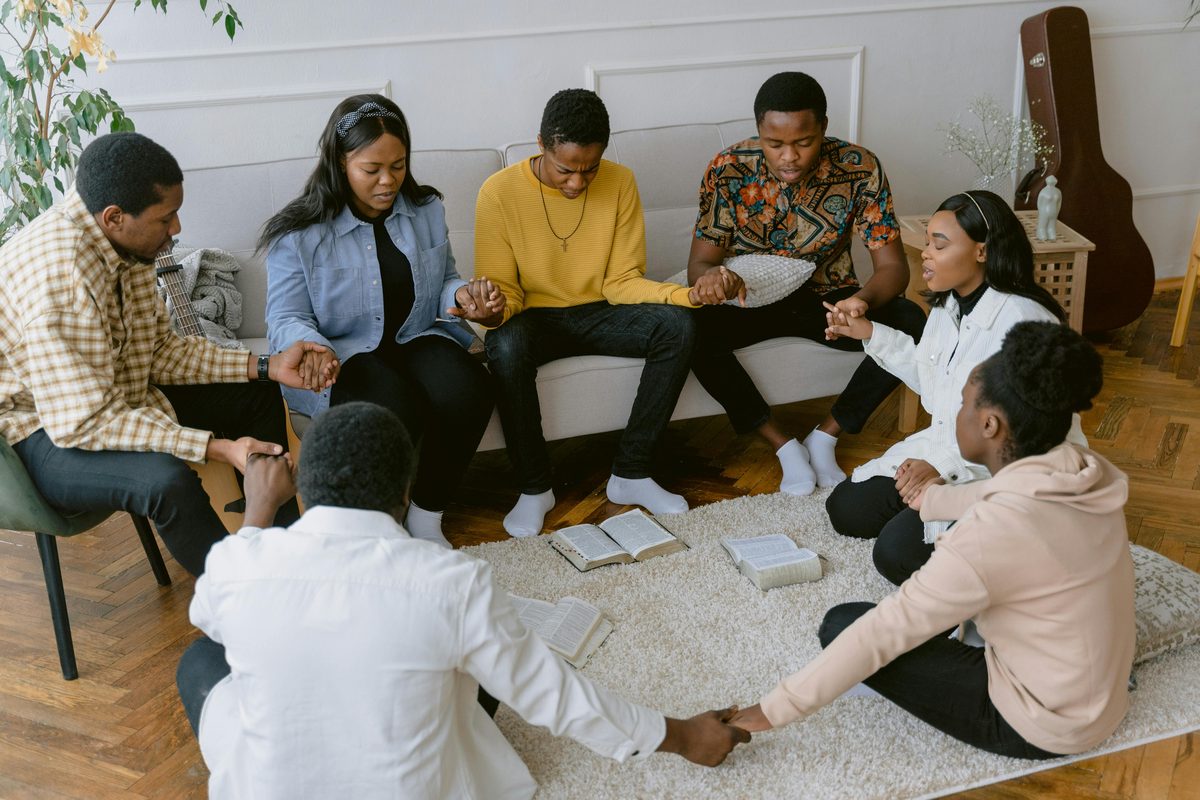
There’s a moment I never get tired of watching. A participant is working through a passage, thinking out loud, and you can almost see it happen—the truth clicks into place. Not because I told them what to think, but because they found it themselves, in the text, with the group around them. And because they discovered it, it’s theirs now.
Discussion-based learning is central to how I teach. I don’t think it’s the only faithful way to lead a Bible study—there’s a real place for teaching, for explaining hard passages, for sharing what God has shown you. But over the years, I’ve become convinced that when participants are invited to wrestle with Scripture and arrive at conclusions themselves, something deeper takes root. They don’t just learn the material. They own it.
Here’s why I keep coming back to it.
1. People remember what they discover
When someone works out a truth for themselves—and especially alongside others—it sticks in a way that being told never quite does. I see it week to week: my groups recall what we studied with real depth, because they weren’t just receiving information, they were part of uncovering it. The discovery becomes a memory, not just a note.
2. The expectation to engage draws people in
When people know they’ll be invited into the conversation, they show up differently. They read more closely. They come ready to wrestle. The simple expectation of participation moves a group from passive listening to active engagement—and that engagement is where real learning lives.
3. It moves people from being told to being convinced
There’s a meaningful difference between knowing what you’re supposed to believe and knowing why you believe it. Discussion gently pushes people toward the second. Instead of handing them a conclusion, it challenges them to discover what Scripture actually says and to defend it with reason from God’s Word. That’s the difference between borrowed faith and owned faith.
4. It builds skills that last a lifetime
These habits can be developed early—I’ve watched students as young as junior high begin to think critically about Scripture with just a little gentle prompting. And once those skills take root, they don’t stay inside the Bible study. Participants carry them out into their everyday lives, into how they read God’s Word on their own and how they reason through their faith long after the study ends. We’re not just teaching a lesson; we’re forming people who know how to encounter Scripture for themselves.
5. The leader learns too
This might be my favorite part. When you make room for discussion, you stop being the only voice in the room—and your group will surprise you. I regularly walk away having learned something from an insight I never would have reached on my own. Discussion makes us fellow learners, gathered around the same Word.
How I Do It
If you want to try this, you don’t need a new curriculum or a personality overhaul. You need good questions and the patience to let the room think. Here’s what works for me:
- Ask at three levels. I build my questions around understanding (what does the passage say?), interpretation (what does it mean?), and application (how does this change how I live?). Moving through all three keeps a discussion from staying shallow. (You’re welcome to use the studies I’ve written—they’re on my Leader Resources page.)
- Follow up with two simple questions. When someone shares an answer, I gently ask, “Where did you find that in this passage?” or “Why do you say that, based on the Scripture?” These two questions do so much quiet work—they anchor people back to the text and help them build a stronger connection between what Scripture says and how they understand and apply it.
- Resist the urge to fill the silence. A pause isn’t a problem to fix; it’s room for someone to think. Give it a few seconds longer than feels comfortable, and let your group rise to meet the question.
Give It Time
Start asking more than one discussion question, and let your group truly wrestle with it. If you’re met with silence at first, don’t be discouraged—that quiet is usually just a group not yet used to being asked to think. Keep at it. They’ll grow more comfortable, more confident in Scripture, and stronger for being stretched. The silence won’t last, but the skills they build will. (Looking for a simple place to begin? My 4 Quick Tips for Leading a Bible Study is a good next step.)
Discussion-based learning isn’t the only way to lead. But it’s a beautiful one—because in the end, we’re not just trying to fill people with answers. We’re helping them learn to stand on God’s Word for themselves.